5 Invoicing Mistakes That Cost Plumbing Businesses Thousands
Common invoicing errors that drain plumbing businesses of revenue. Learn how to fix slow billing, vague line items, missing materials markups, and more.
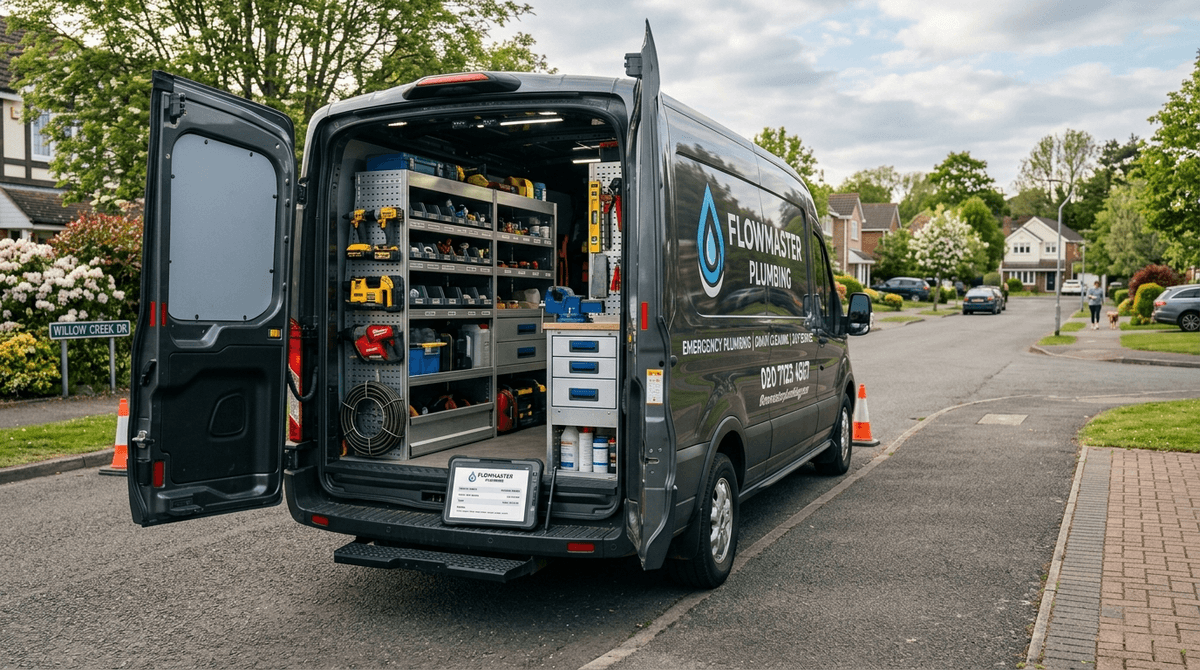
Most plumbing businesses don't have a revenue problem — they have a collection problem. The work gets done, the customer is happy, and then the invoice sits in a truck for three days before anyone enters it into the system. Or it goes out with vague line items that invite disputes. Or the materials markup gets forgotten because it was a rush job.
These aren't dramatic failures. They're small, repeated leaks that quietly drain thousands of dollars a year. Here are the five most common ones and how to plug them.
1. Slow Invoicing
The single biggest invoicing mistake in plumbing is delay. Every day between job completion and invoice delivery is a day your cash flow suffers — and a day the customer's sense of urgency fades.
The data is clear on this: invoices sent within 24 hours of job completion get paid an average of 2 weeks faster than invoices sent after a week. That's not surprising. When the customer just watched you fix their burst pipe, they're grateful and ready to pay. A week later, it's just another bill in the pile.
The fix is simple in concept but requires discipline: invoice the same day the job is done. If your techs are doing the work, they should be generating the invoice from the truck — or at minimum logging the details so your office can send it that evening.
2. Vague Line Items
An invoice that says "Plumbing repair — $850" is an invitation for a phone call. The customer doesn't remember exactly what was done, they just see a number, and they want to understand what they're paying for.
Compare that to:
- Diagnose and locate leak in second-floor bathroom supply line — $150
- Replace 6ft section of corroded copper pipe with PEX — $320
- Replace shut-off valve (materials: $45, labor: $85) — $130
- Patch and seal drywall access point — $150
- Clean-up and system pressure test — $100
The second invoice gets paid without questions. It also protects you legally — if there's ever a dispute, detailed line items show exactly what was promised and delivered.
3. Missing or Inconsistent Materials Markup
Every plumbing job involves parts, and every part should carry a markup. This isn't optional — it covers your procurement time, inventory carrying costs, warranty handling, and the expertise to select the right fitting for the application.
The mistake happens when markups are applied inconsistently. Major items like water heaters get marked up because the number is visible. But fittings, sealants, supply lines, and small parts get billed at cost or forgotten entirely because nobody wants to itemize $3 worth of SharkBite fittings.
Those $3 items add up. A plumber who runs 8 calls a day and forgets to mark up $15 in small parts per call is leaving $30,000 on the table annually. Set a standard markup (40-60% on parts is typical for plumbing) and apply it to everything. Your invoicing system should make this automatic, not a manual decision on every line item.
4. No Payment Terms or Late Fees
If your invoices don't specify when payment is due, you've implicitly told the customer they can pay whenever they feel like it. And many of them will feel like paying... eventually.
Every invoice should include:
- A clear due date. "Net 30" is standard for commercial work. For residential, "Due upon receipt" or "Due within 7 days" is reasonable.
- Accepted payment methods. The more options you offer, the faster you get paid. Credit card, ACH transfer, check, and online payment links should all be available.
- Late payment terms. A 1.5% monthly late fee (18% annually) is standard. You don't have to be aggressive about enforcing it, but having it on the invoice gives you leverage and signals professionalism.
5. Not Offering Online Payments
If your only payment option is "mail a check," you're adding friction to getting paid. Every extra step between invoice delivery and payment receipt is an opportunity for delay.
Online payment links — where the customer clicks a button in the invoice and pays by card or bank transfer — typically cut payment time by 50% or more. The processing fee (2.5-3% for cards) is a cost of doing business, and it's a cost that pays for itself many times over in improved cash flow.
The math: if you invoice $500,000 annually and online payments get you paid an average of 15 days faster, that's roughly $20,000 in improved cash position throughout the year. The processing fees on card payments might be $10,000-$15,000. You come out ahead — and you spend less time chasing payments.
The Compound Effect
None of these mistakes will sink your business on their own. But combined, they create a persistent drag on cash flow that forces you to work harder to achieve the same results. A plumbing business doing $600,000 in annual revenue can easily leave $50,000-$80,000 on the table through slow invoicing, missing markups, and delayed payments.
Fix the process once and the improvement compounds on every job after that.
Frequently Asked Questions
- How can plumbers get paid faster?
- The three biggest levers for faster payment are invoicing within 24 hours of job completion, using detailed line items so customers understand exactly what they're paying for, and offering digital payment options (credit card, ACH) directly on the invoice instead of waiting for checks.
- Should plumbers mark up materials?
- Yes. A 25-35% markup on materials is standard in the plumbing industry and covers your time sourcing, transporting, and stocking materials, plus the carrying cost of inventory. Failing to mark up materials is one of the most common profit leaks in plumbing businesses.
- What is the biggest invoicing mistake plumbers make?
- The biggest mistake is slow invoicing — waiting days or weeks after job completion to send the invoice. Invoices sent within 24 hours get paid an average of two weeks faster than those sent after a week. Every day of delay costs you cash flow and reduces the customer's urgency to pay.
Ready to streamline your business?
PropertyHQ gives construction businesses the tools to manage jobs, invoices, and teams — all in one place.
View Pricing